False Indigo Companion Plants: The Best Plants To Pair With This Beautiful Perennial
Introduction
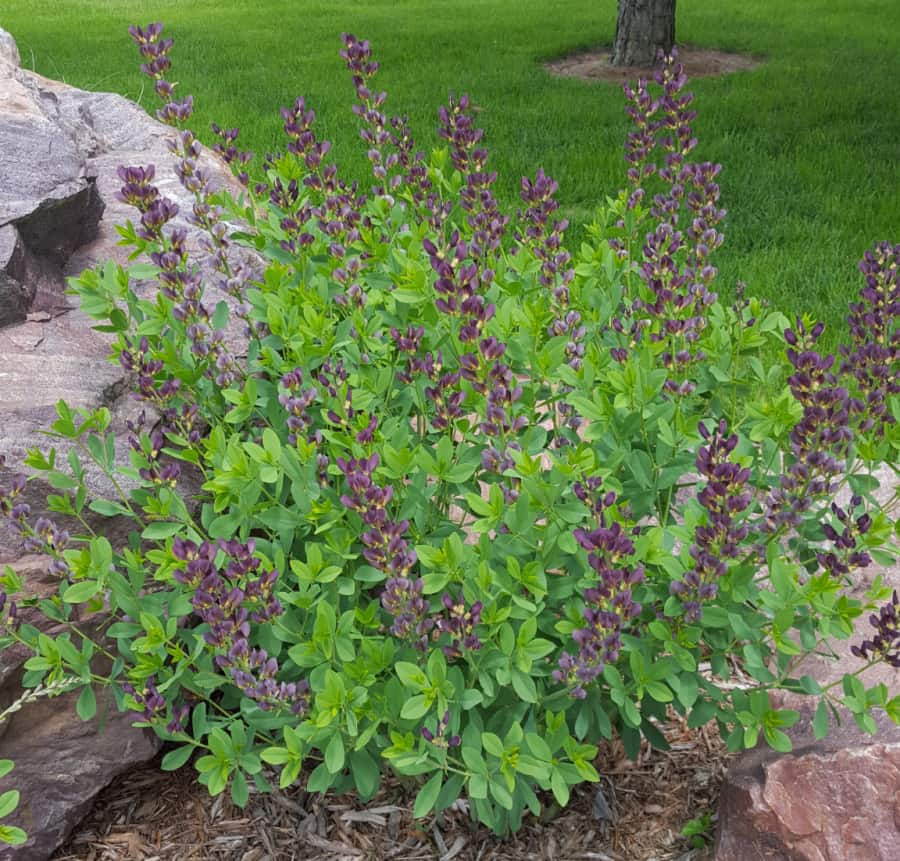
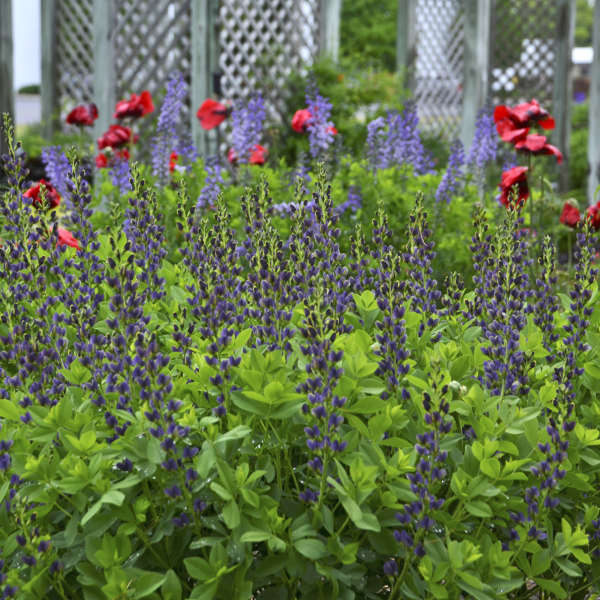
False indigo (Baptisia) is a beautiful and versatile perennial that can add a touch of elegance to any garden. With its upright spikes of blue, white, or yellow flowers, it is sure to turn heads. But false indigo is more than just a pretty face. It is also a great companion plant for other flowers and shrubs.
In this blog post, we will discuss the best companion plants for false indigo. We will also provide some tips on how to choose the right companions for your garden.
Benefits of Companion Planting
There are many benefits to companion planting. By planting compatible plants together, you can create a more balanced and healthy garden. Companion plants can help to attract beneficial insects, deter pests, and improve the overall health of your plants.
False Indigo Companion Plants
When choosing companion plants for false indigo, there are a few things to keep in mind. First, you want to choose plants that have similar growing conditions. False indigo prefers full sun and well-drained soil. So, you will want to choose companions that also thrive in these conditions.
Second, you want to choose plants that complement the color of false indigo's flowers. If you have blue false indigo, you might want to choose white or yellow flowers for your companions. If you have white false indigo, you might want to choose blue or purple flowers.
Finally, you want to choose plants that have different bloom times. This will help to extend the flowering season in your garden.
Some of the best companion plants for false indigo include:
- Asters: Asters come in a variety of colors, so you can find one to complement the color of your false indigo. They also bloom at the same time as false indigo, so you will have a long period of color in your garden.

- Black-eyed Susans: Black-eyed Susans are another great companion plant for false indigo. They are both tall and upright, so they will create a nice visual contrast. Black-eyed Susans also bloom in the summer, so they will extend the flowering season in your garden.
- Coneflowers: Coneflowers are a popular choice for companion planting because they attract beneficial insects. They also have a long bloom time, so they will add color to your garden for months.

- Echinacea: Echinacea is another great choice for companion planting. It is a hardy plant that is resistant to pests and diseases. Echinacea also blooms in the summer, so it will extend the flowering season in your garden.
- Goldenrod: Goldenrod is a native plant that is a great addition to any garden. It attracts beneficial insects and helps to improve the soil. Goldenrod also blooms in the fall, so it will add color to your garden when other plants are starting to fade.
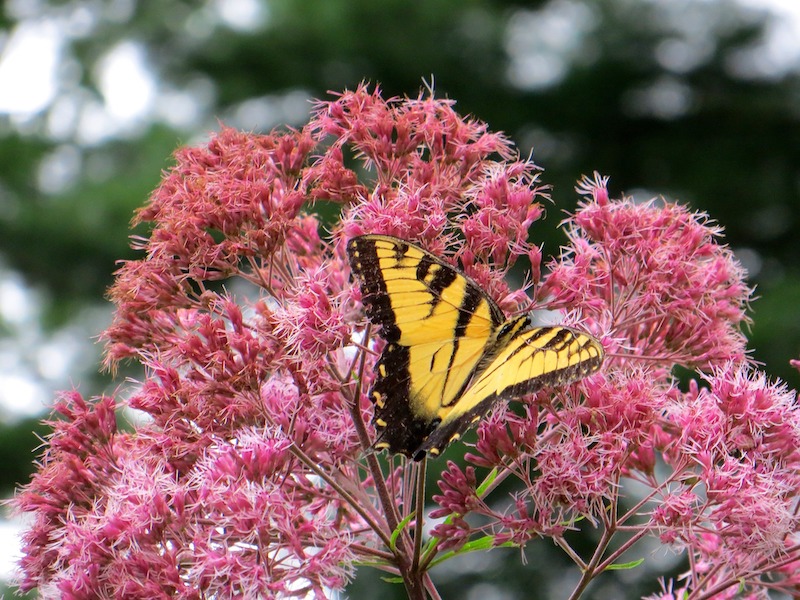
- Joe Pye Weed: Joe Pye Weed is a tall and showy plant that is sure to attract attention. It blooms in the summer and attracts beneficial insects. Joe Pye Weed is also a good choice for attracting butterflies.
- Milkweed: Milkweed is a host plant for monarch butterflies. It is also a drought-tolerant plant that is easy to care for. Milkweed is a great choice for gardens that are located in dry areas.
- Salvias: Salvias are a diverse group of plants that come in a variety of colors and sizes. They are all attractive plants that will add color and interest to your garden. Salvias also attract beneficial insects, so they are a great choice for companion planting.


Conclusion
False indigo is a beautiful and versatile perennial that can add a touch of elegance to any garden. By planting it with compatible companion plants, you can create a more balanced and healthy garden.
I hope this blog post has given you some ideas for companion plants for false indigo. With so many great choices available, you are sure to find the perfect companions for your garden.
To learn more about false indigo companion plants, visit Home Gardening.
FAQ of false indigo companion plants
What are the best companion plants for false indigo?
False indigo (Baptisia) is a beautiful, tall perennial that blooms in shades of blue, purple, or white. It's a great addition to any garden, but it can be even more stunning when planted with complementary companion plants. Here are a few of the best companion plants for false indigo:
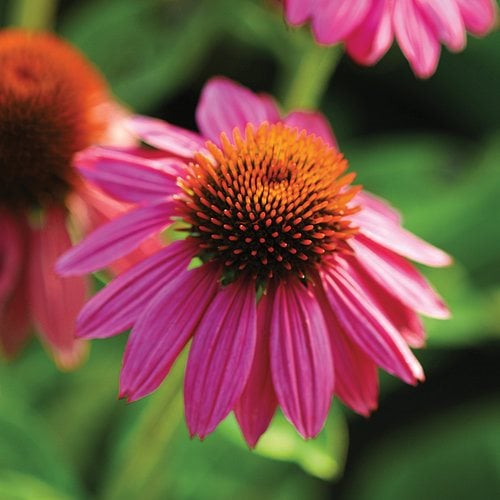
- Echinacea: Echinacea is a daisy-like flower that comes in a variety of colors, including red, pink, and yellow. It blooms in the summer, and it's a great nectar source for butterflies and other pollinators.
- Asclepias: Asclepias is a genus of milkweed plants that are known for their nectar and pollen, which are a valuable food source for butterflies. There are many different species of asclepias, including butterfly weed, swamp milkweed, and showy milkweed.

- Coreopsis: Coreopsis is a genus of daisy-like flowers that come in a variety of colors, including yellow, orange, and red. They bloom in the summer, and they're a great addition to any sunny garden.
- Salvia: Salvia is a genus of flowering plants that are known for their colorful blooms and long blooming periods. There are many different species of salvia, including scarlet sage, blue salvia, and purple sage.
- Agastache: Agastache is a genus of flowering plants that are known for their licorice-scented leaves and spikes of colorful flowers. There are many different species of agastache, including blue giant hyssop, licorice mint, and purple coneflower.

These are just a few of the many great companion plants for false indigo. When choosing companion plants, it's important to consider the size, color, and bloom time of the plants. You'll also want to make sure that the plants have similar growing conditions.
What are the benefits of planting false indigo with companion plants?
There are many benefits to planting false indigo with companion plants. Some of the benefits include:
- Attracting pollinators: False indigo is a great nectar source for butterflies, bees, and other pollinators. Planting it with companion plants that also attract pollinators can help to create a more diverse and attractive garden.
- Improving soil quality: False indigo is a nitrogen-fixing plant, which means that it can help to improve the soil quality in your garden. This is beneficial for all of the plants in your garden, not just false indigo.
- Disease and pest resistance: Some companion plants can help to protect false indigo from pests and diseases. For example, planting false indigo with echinacea can help to deter deer and rabbits.
- Creating a more visually appealing garden: Planting false indigo with companion plants can help to create a more visually appealing garden. The different colors and textures of the plants can create a more interesting and attractive landscape.
How do I plant false indigo with companion plants?
When planting false indigo with companion plants, there are a few things to keep in mind:
- Choose the right location: False indigo prefers full sun, but it can tolerate partial shade. It also prefers well-drained soil.
- Space the plants properly: False indigo can grow quite tall, so it's important to space the plants at least 3 feet apart.
- Plant the companion plants at the same time: This will help to ensure that the plants have a chance to establish themselves before the false indigo starts to bloom.
- Water the plants regularly: False indigo is drought-tolerant, but it needs regular watering during the first year or two after planting.
With a little planning, you can easily plant false indigo with companion plants to create a beautiful and beneficial garden.
Image of false indigo companion plants
- Black-eyed Susan: This daisy-like flower attracts pollinators and helps to deter pests.

- Butterfly weed: This plant is a magnet for butterflies and other pollinators.
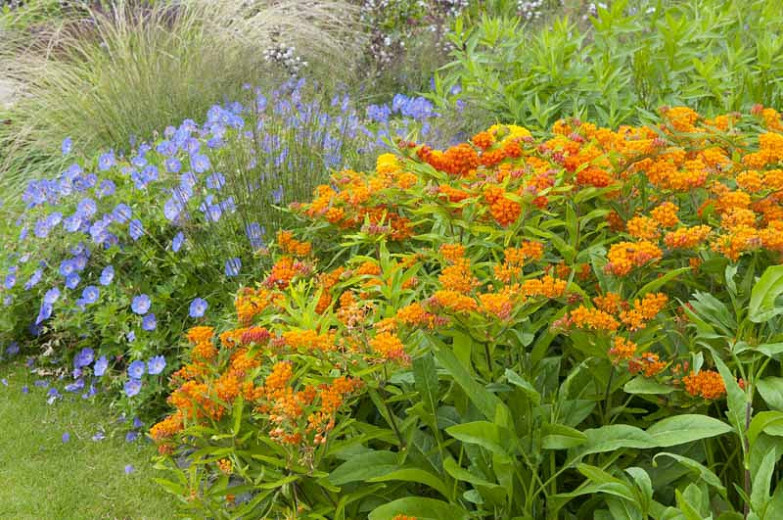
- Coneflower: This tall, stately flower attracts butterflies, bees, and other pollinators.
- Daylily: This long-blooming perennial is a great choice for companion planting with false indigo.
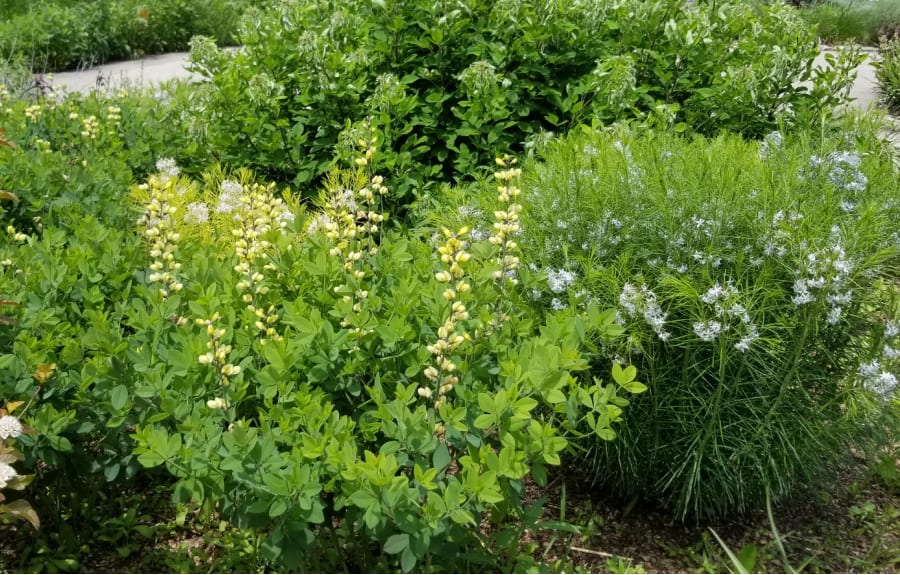
- Goldenrod: This native wildflower attracts butterflies, bees, and other pollinators.
- Hollyhock: This tall, showy flower provides nectar for pollinators and helps to deter pests.

- Lavender: This fragrant herb repels pests and attracts pollinators.
- Milkweed: This important nectar source for butterflies is also a great companion plant for false indigo.
- Sunflower: This tall, sunny flower attracts pollinators and helps to deter pests.


Post a Comment for "False Indigo Companion Plants: The Best Plants To Pair With This Beautiful Perennial"